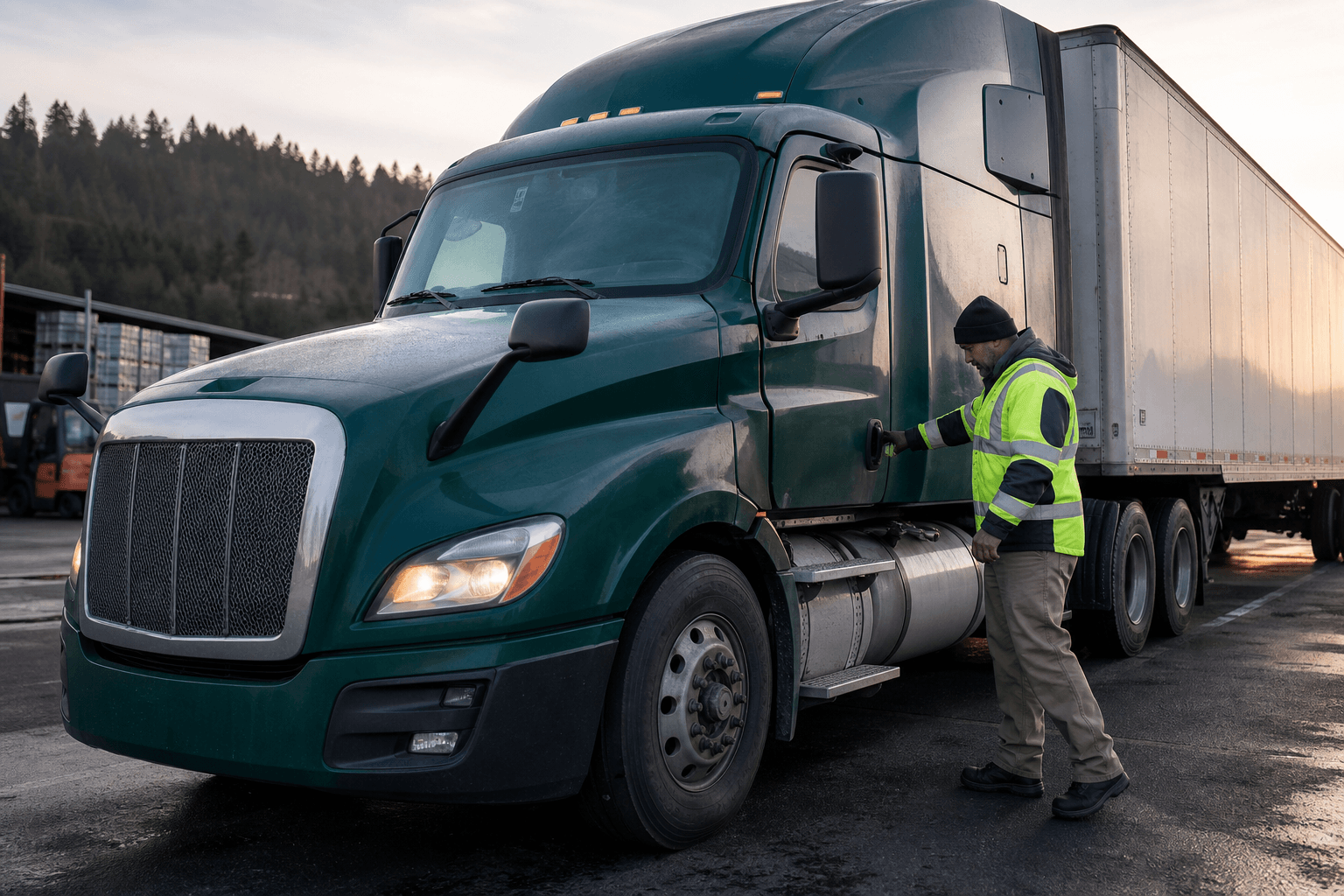
A trucking account gets stuck when the file no longer matches the road.
A loss changed the renewal
Show the event, the current reserve or outcome if known, and the specific hiring, training, routing, or maintenance change that followed.
The operation changed
New states, commodities, customers, equipment, radius, or drivers can make an old application tell the wrong story.
The market sees only the code
A classification is one input. Clean payroll separation and a precise operating narrative help a reviewer understand the actual exposure.
Start with the operating story.
We want to review difficult trucking opportunities, including operations associated with 7219, when the submission can separate the work and show the current facts.
- Local, intermediate, regional, or long-haul radius by state
- Employee drivers, owner-operators, leased drivers, helpers, dispatch, mechanics, and office payroll
- Commodities, customers, loading and unloading, and any special handling
- Owned, leased, hired, and non-owned vehicles plus inspection and maintenance controls
- DOT or FMCSA identifiers when applicable, driver qualification practices, loss history, and corrective actions
About class code 7219
7219 is commonly described as Trucking NOC—All Employees & Drivers, but it does not automatically apply to every company that uses a truck. Ownership of the goods, delivery model, distance, package weight, state rules, and actual duties can change the classification. Confirm the final code with the applicable rating authority, carrier, or licensed professional.
What helps us review the opportunity
A trucking submission becomes reviewable when it separates drivers, mechanics, dispatch and office payroll, explains radius and commodities, and reconciles fleet, hiring, loss, and safety facts.
Tell the exposure story
- Driver duties, loading and unloading
- Fleet ownership, radius and commodities
- Hiring, MVR, training and maintenance controls
Questions worth answering
- Who loads and unloads?
- Are owner-operators or leased drivers used?
- What changed after the largest losses?
What to send if you have it
- Payroll by duty and state
- Vehicle schedule and operating radius
- Loss runs, mod worksheet and driver controls
- DOT identifiers and related entities when applicable
Start with what you have
Upload the available application, loss runs, supplemental, and mod worksheet, or complete the short online form. Missing items do not stop the first conversation; we will tell you what is needed next. Your existing agent can remain involved.